
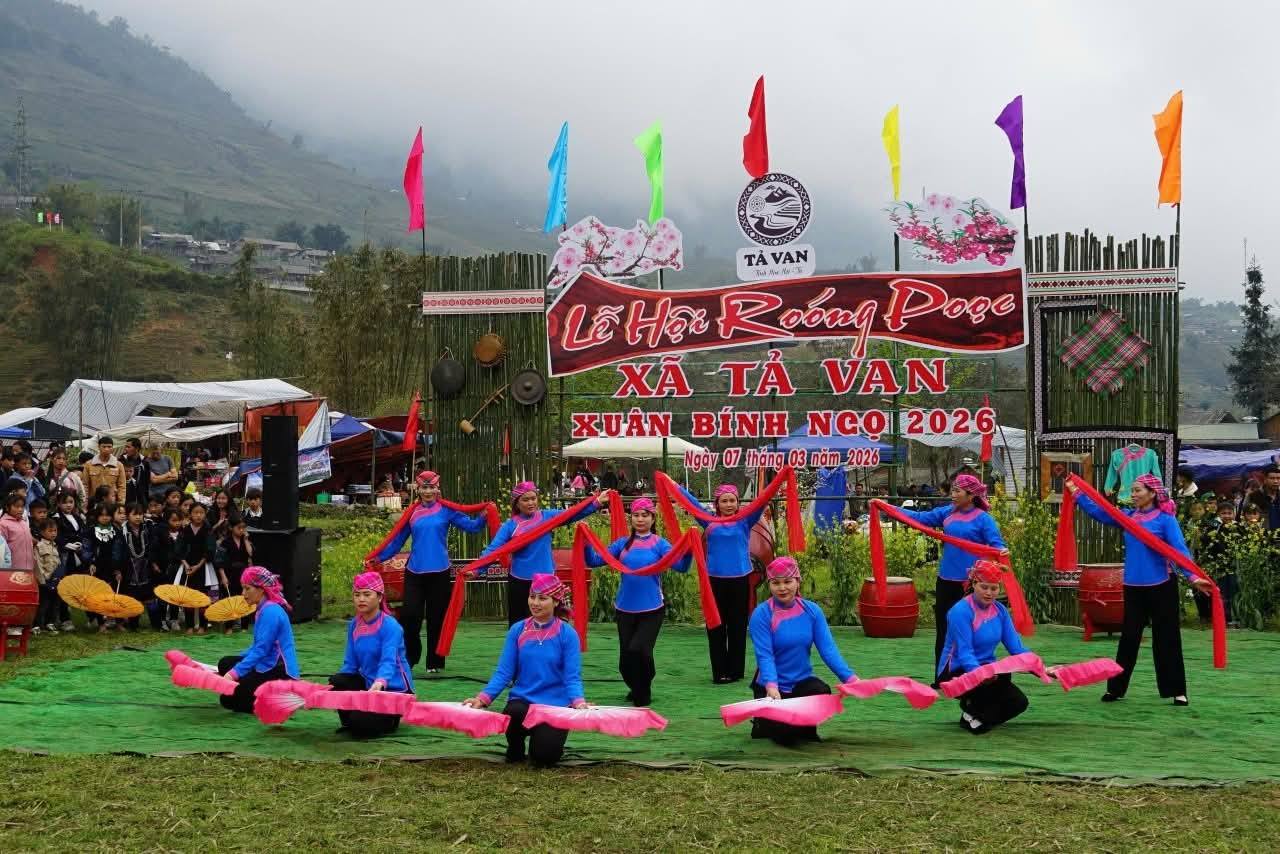
Most travelers come to Sapa for the misty peaks or the trekking trails, but if you happen to be in Ta Van Village on the first “Dragon Day” of the Lunar New Year, you’ll witness something much deeper. This is Roóng Poọc, the most vital day for the Giay people, where the community gathers to wake up the land after a long winter sleep.
The Ritual of the Sky and Earth
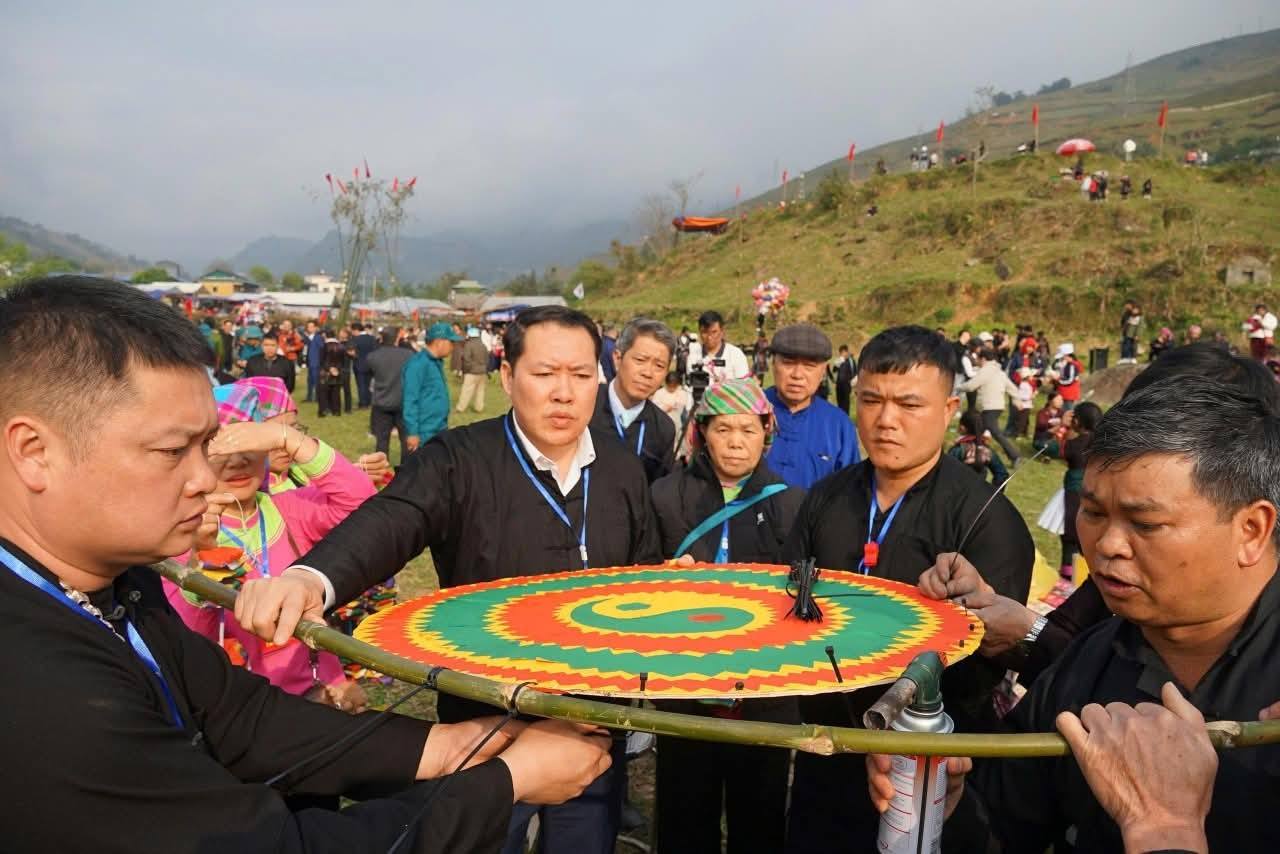
The festival doesn’t start with a show, but with a collective effort. At the center of a wide, flat paddy field, you’ll see the men of the village raising a 20-meter bamboo pole called Cay Mai. On its top sits a bamboo ring covered in red and white paper, representing the sun and the moon.
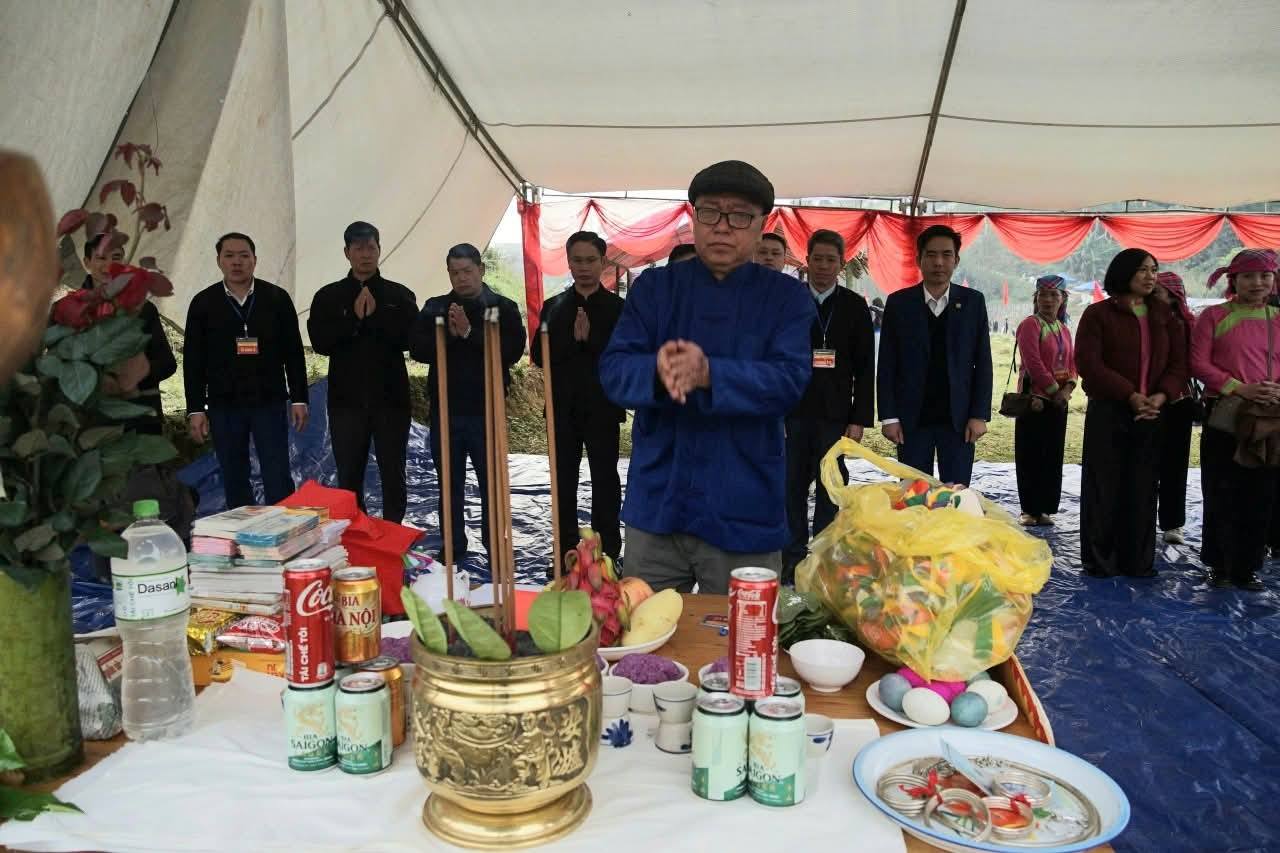
It’s a simple yet powerful sight. The shaman offers five-colored sticky rice and local wine, whispering prayers to the spirits of the mountains and streams. At this moment, the modern world feels miles away, replaced by a profound respect for nature that has existed here for centuries.
The “Tich Dien” Ceremony: Breaking the Soil
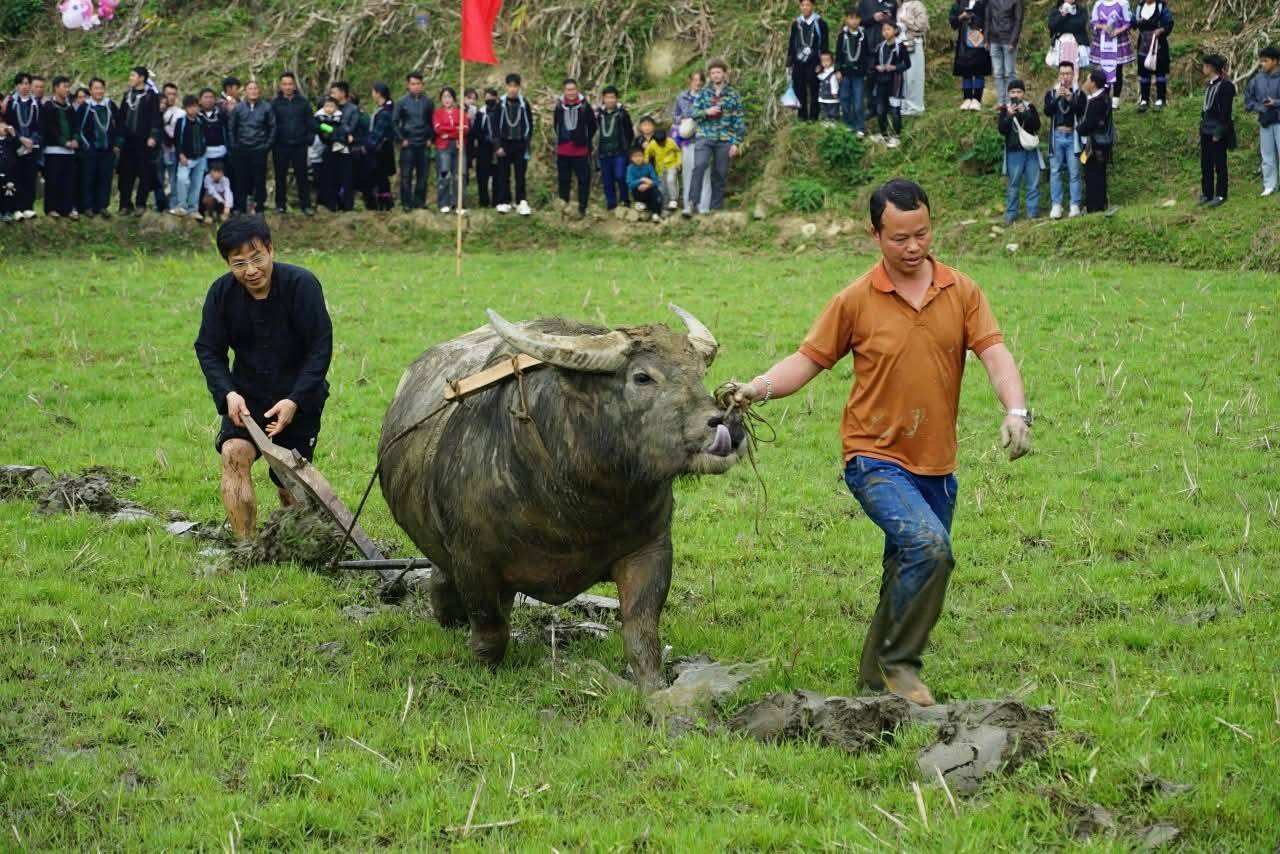
One of the most moving parts of Roóng Poọc is the Tich Dien (The First Plowing). You won’t see this in a typical tourist brochure. A local leader—representing the village’s prosperity—steps down into the muddy field, takes the handles of a wooden plow, and follows a sturdy buffalo to make the very first furrows of the year.
It’s a gritty, real, and beautiful tradition. Each straight line in the mud is a promise of a bountiful harvest, a symbol that the people and the earth are ready to work together once again.
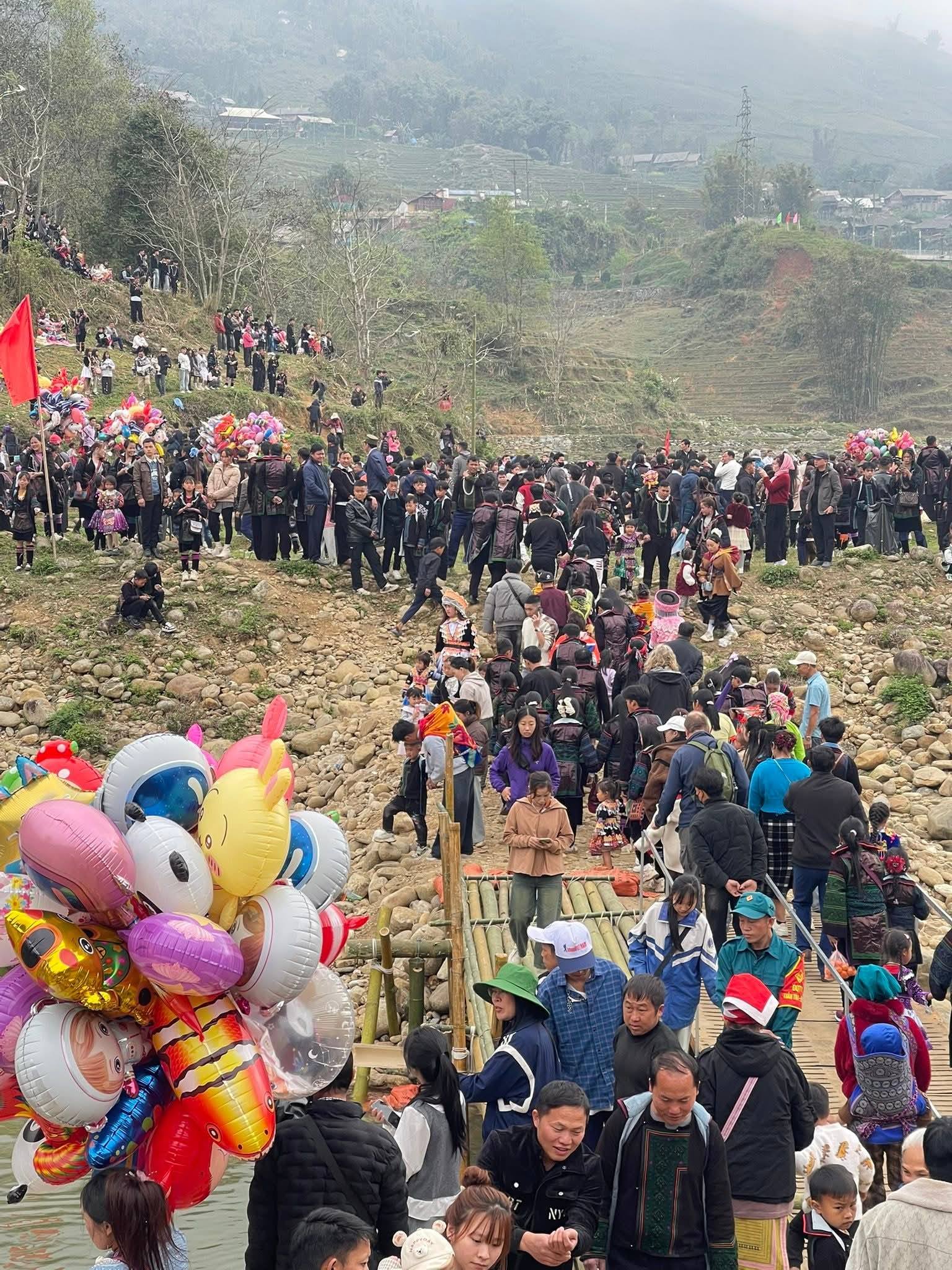
The Moment the Valley Erupts
Then comes the tension of the Con throwing. Young men and women aim colorful cloth balls at the high bamboo ring. It looks like a simple game, but for the Giay, it’s a prophecy. The crowd holds its breath until—pop—the cloth ball pierces the paper ring. The valley breaks into cheers because, in their belief, the “gate of heaven” is now open. Luck and rain are officially invited into the valley.
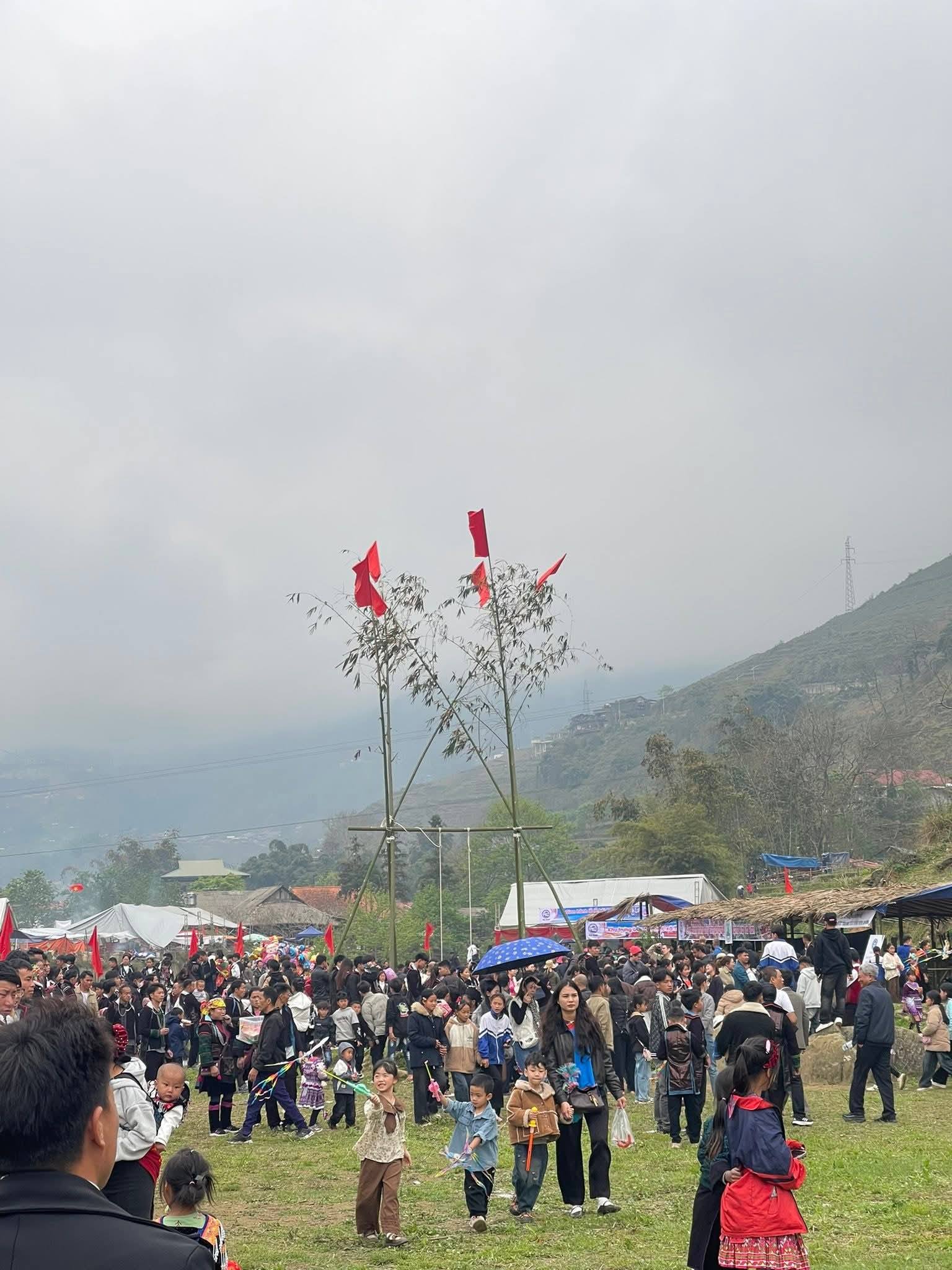
A Field Full of Life
As the formal rites conclude, the paddy field transforms. You’ll hear the haunting, nasal drone of the Pi Le flute echoing off the terraces. Unlike the vibrant, multi-colored patterns of the Hmong, the Giay stand out in their understated elegance—wearing simple indigo tunics with subtle silk bands.
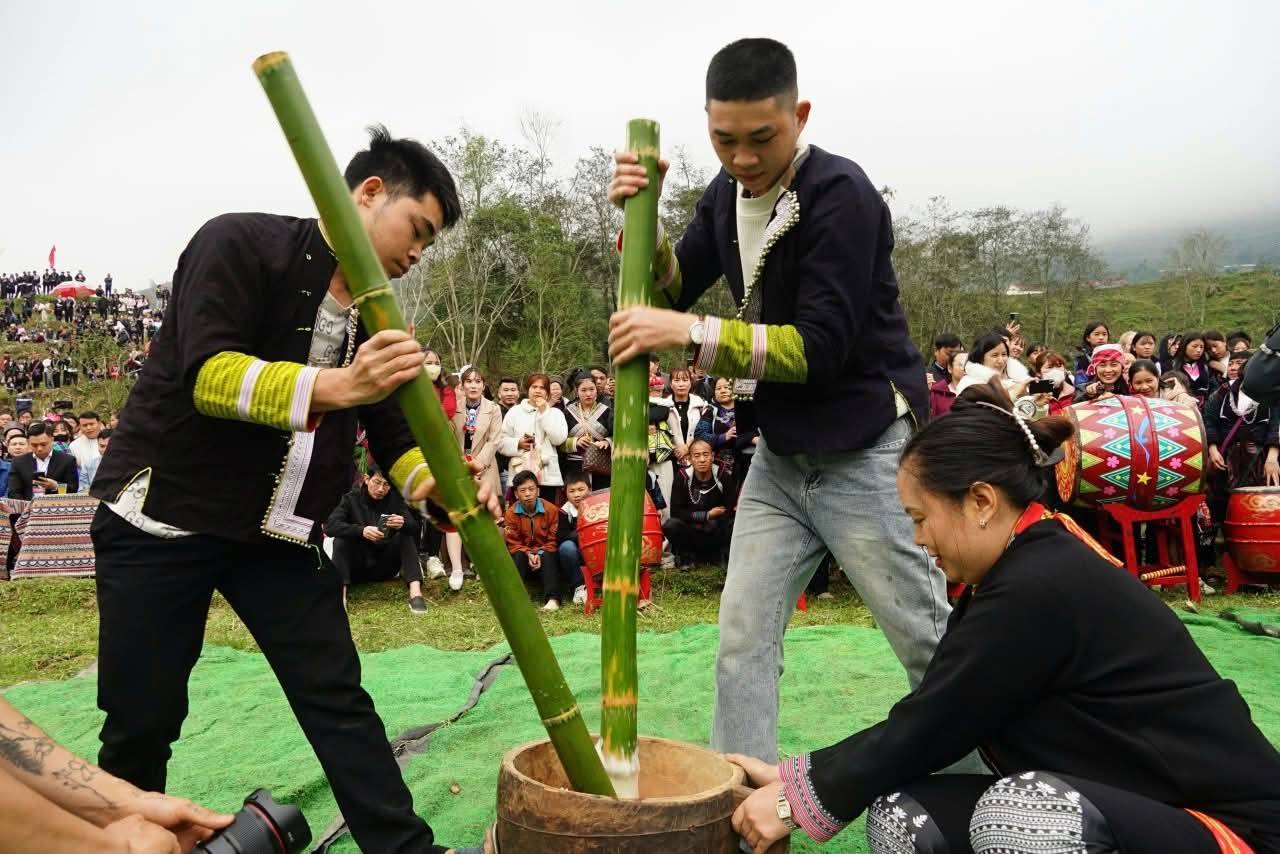
You can join in a tug-of-war where the laughter is louder than the cheers, or watch the locals compete in archery and pole climbing. Even international travelers often find themselves pulled into the fun, catching ducks or tasting the smoky, rich flavor of Thang Co (traditional horse soup) by the communal fires.
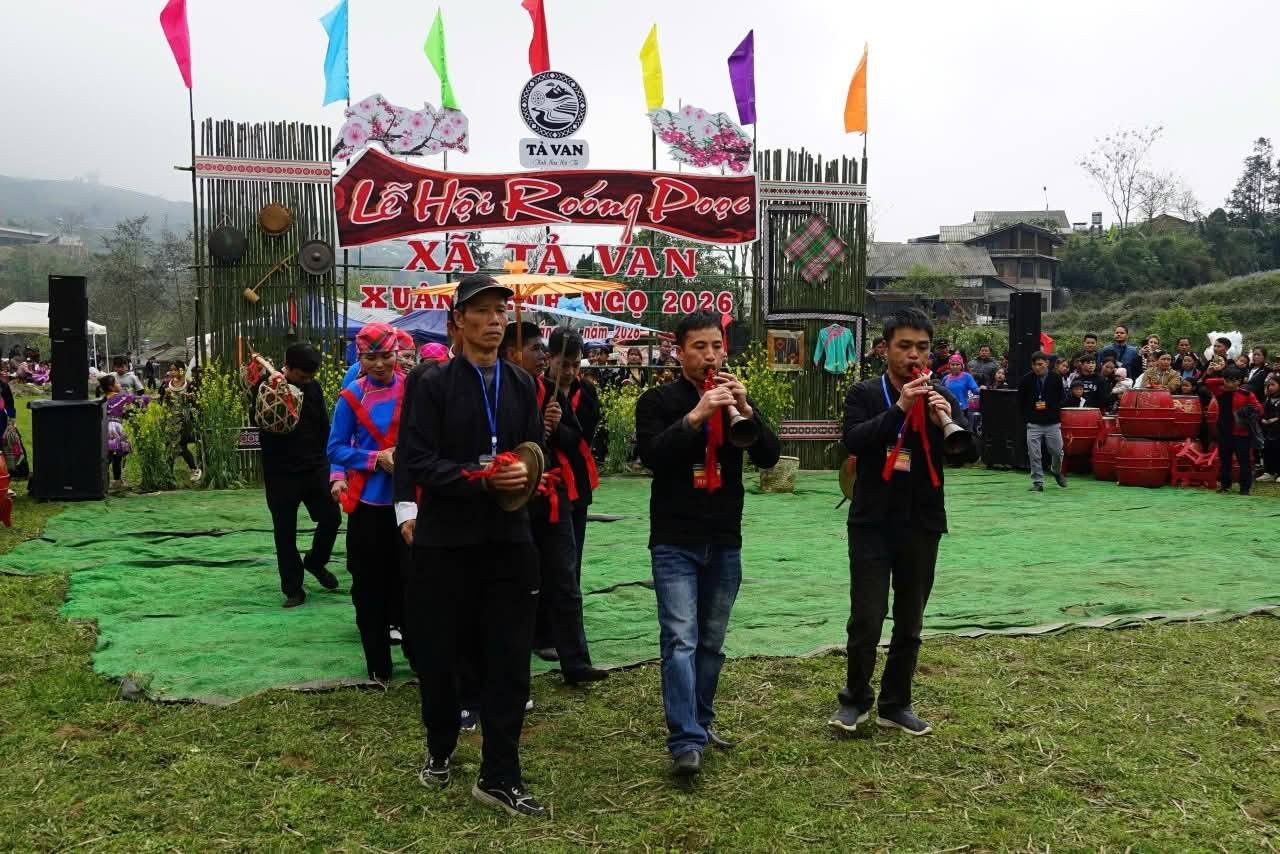
How to Experience Roóng Poọc Mindfully
If you want to see the real Sapa beyond the “tourist traps,” this is it. But remember, you are a guest in their sacred space:
The Location: Ta Van Village is about 10km from Sapa town. It’s best to arrive early in the morning (around 8:00 AM) to see the pole-raising.
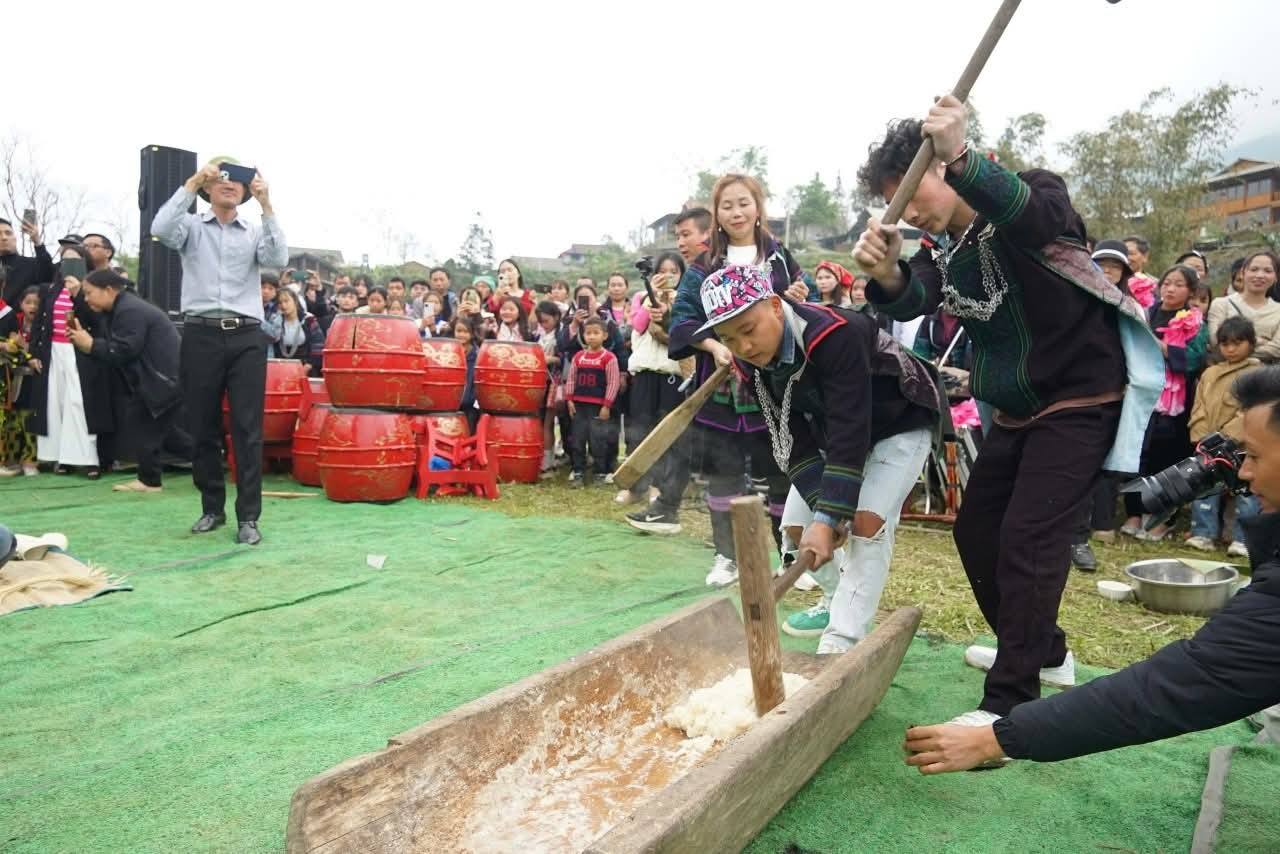
Be Present, Not Just a Photographer: While it’s a goldmine for shots, take a moment to put the camera down. Share a cup of corn wine, try a piece of Banh Giay (pounded rice cake), and feel the rhythm of the village.
Respect the Furrows: During the Tich Dien ceremony, stay on the ridges of the fields to keep the ritual area clear for the buffalo and the plowman.
At Sapa Tours from Hanoi, we don’t just take you to places; we help you feel the heartbeat of the land. Whether it’s a deep trek into the valley or a morning at the Roóng Poọc festival, we ensure your journey is as authentic as the traditions we visit.
Join Sapa Tours from Hanoi to explore the real heart of Muong Hoa Valley beyond the trekking trails.
Our Top 10 Most-Loved Journeys Through Muong Hoa Valley: https://sapatoursfromhanoi.com/sapa-trekking-tours-from-hanoi/
Last updated: 9:49 AM , 11/03/2026

09:49 - 11/03/2026
Other News:
- Fansipan Cable Car Review 2026 – Guides, Ticket Price & Tours
- Muong Hoa Valley
- Top Sapa Tours from Hanoi in Autumn
- Topas Ecolodge – Unique Lodge by National Geographic
- Discover Sapa with a Bac Ha Market tour only with 10 beautiful photos
- Tet Holiday in Sapa Vietnam
- New Year Holiday of H’mong People
- Hoang Yen Chao Castle
- Unique Traditional Festivals In Sapa In The Spring 2026
- What to do in first time to Sapa?

 Call Us
 Click To Chat
 Hot Deals


